There isn’t a single day in clinical practice when I don’t reach for flowable composite resin. Flowable composite resin appeared roughly 20 years ago, creating a revolution in conventional composite resin restoration. For small carious lesions, restorations are often completed using flowable composite resin alone. For extensive reconstruction of crown anatomy, it is important to combine flowable and paste-type composite resins, using each where it performs best. The new ESTELITE UNIVERSAL FLOW has three fluidity options and seems poised to further increase the frequency at which flowable composite resin is used.
The clinical qualities required of flowable composite resin, which conventional CR paste lacks, are high wettability with the surface being bonded and fluidity that lets the material move on its own to reach areas that need it. This article reports on two cases in which these two properties of flowable composite resin were put to use and the fluidity of ESTELITE UNIVERSAL FLOW was selected to suit the clinical situation.
Case 1: Filling a Class I Molar Cavity (High and Super Low)
A Class I molar cavity is the form of cavity most susceptible to polymerization shrinkage stress, owing to its high C-Factor. The key to avoiding bond failure at the cavity floor is to first bond with Tokuyama Bond Force II, then place a very thin first increment of the highly wettable ESTELITE UNIVERSAL FLOW High (OPA2) onto the cavity floor to complete the bond between the bonding layer and the tooth structure. For the second increment onward, the low fluidity of ESTELITE UNIVERSAL FLOW Super Low (A2), which allows for sculpting of the shape, can also be used to directly reproduce fine occlusal anatomy.
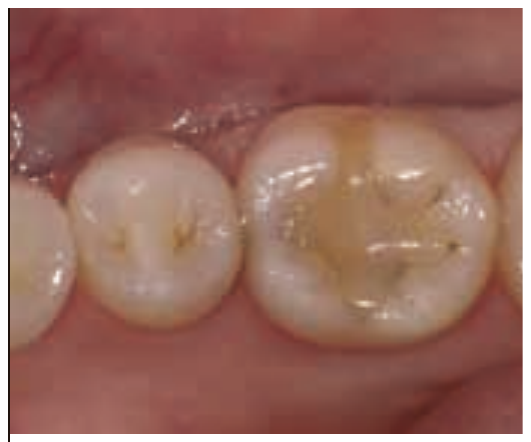
Fig. 1 #36. Re-restoration to improve the marginal fit of an existing composite resin restoration was planned. 27-year-old female.
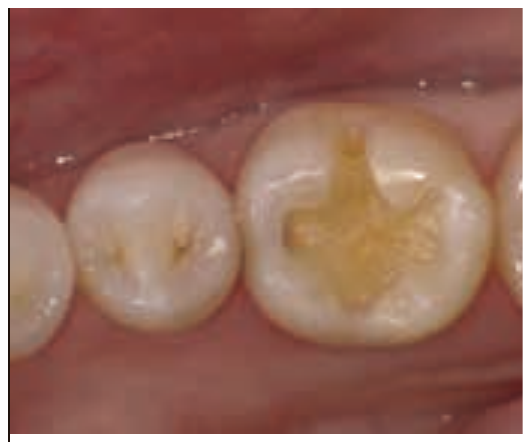
Fig. 2 Removal of the old restorative material and completion of cavity preparation.
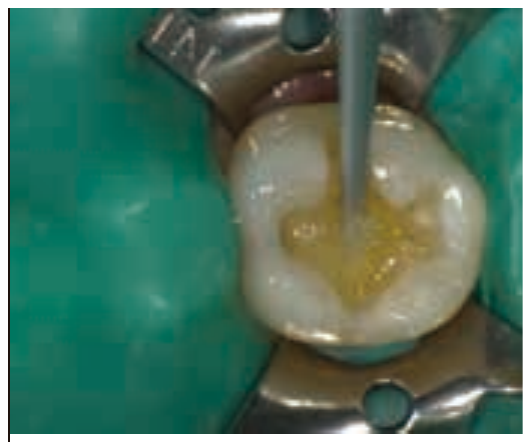
Fig. 3 Bonding agent (Tokuyama Bond Force II) applied, followed by light curing.
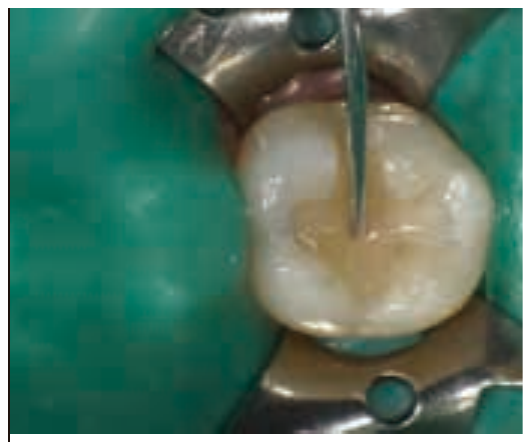
Fig. 4 First increment of the layered filling. ESTELITE UNIVERSAL FLOW High (OPA2) used.
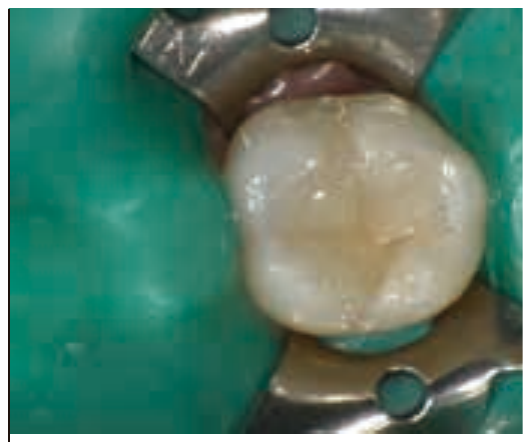
Fig. 5 Second increment of the layered filling. Filling performed cusp by cusp. ESTELITE UNIVERSAL FLOW Super Low (A2)
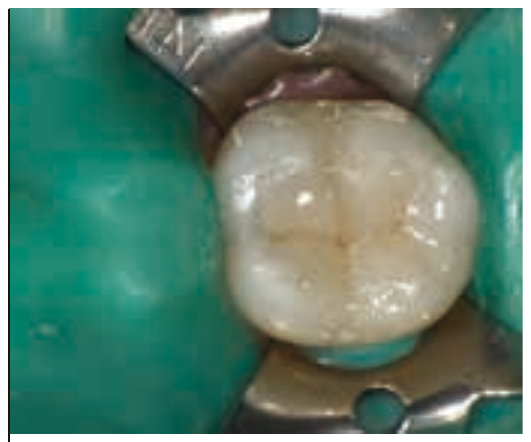
Fig. 6 Filling complete.
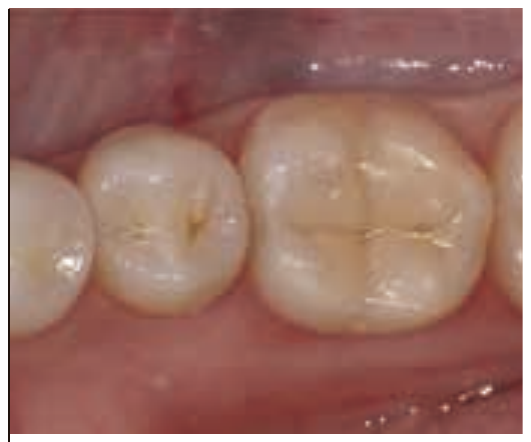
Fig. 7 Postoperative.
Case 2: Filling a Narrow Space at a Fractured Anterior Tooth and Diastema (High and Medium)
In cases where esthetic improvement is sought for a fractured anterior margin and diastema, the combination of flowable composite resin and a 3D Clear Matrix proves extremely effective. Filling begins after phosphoric acid etching of the unprepared enamel surface and bonding with Tokuyama Bond Force II. Filling of the narrow cervical space between the matrix and tooth structure starts with ESTELITE UNIVERSAL FLOW High (OPA2), since it reaches fine detail extremely well, while at the incisal edge, ESTELITE UNIVERSAL FLOW Medium (CE), which can be sculpted and comes in a wide range of shades, can be used to reproduce depth and translucency.
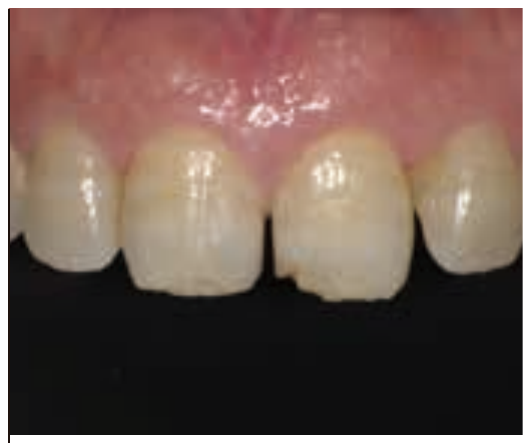
Fig. 1 Preoperative. Chief complaint: esthetic dissatisfaction caused by a fractured anterior tooth and diastema. 55-year-old female.
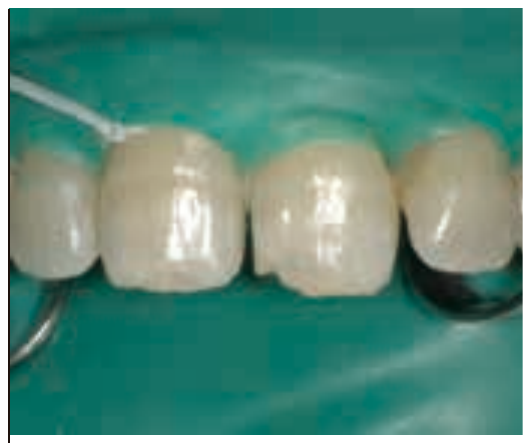
Fig. 2 The diastema measures approximately 1.0 mm. An indication for closing the diastema with composite resin.
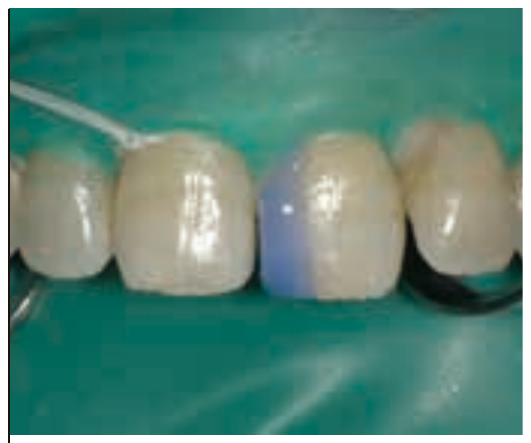
Fig. 3 Phosphoric acid etching.
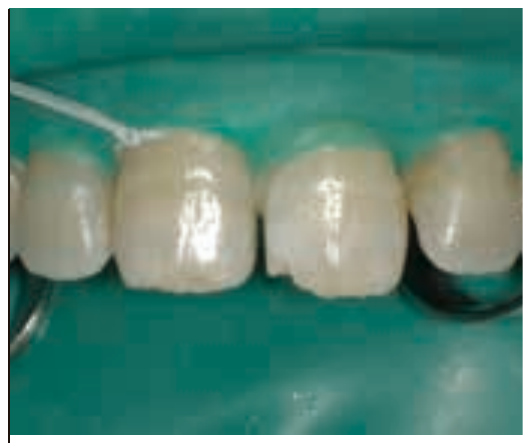
Fig. 4 Rinsing and drying.
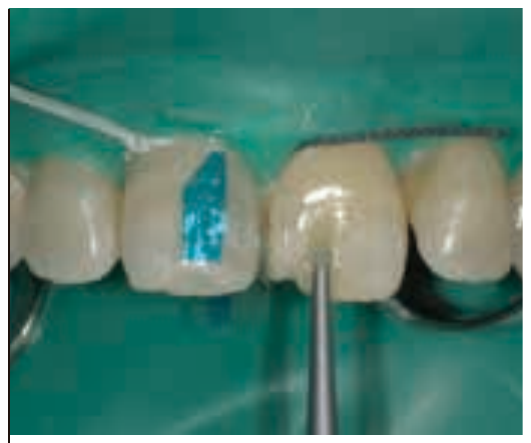
Fig. 5 Bonding agent (Tokuyama Bond Force II) applied, followed by light curing.
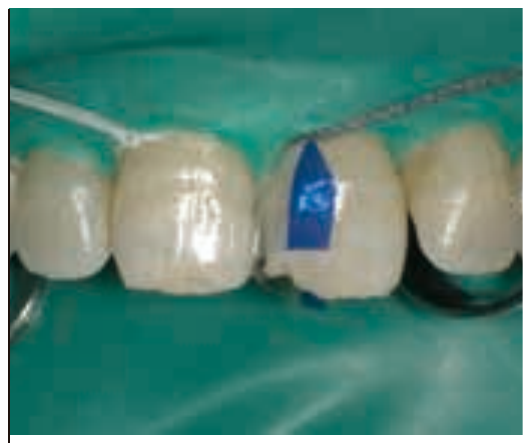
Fig. 6 Try-in of the 3D Clear Matrix.
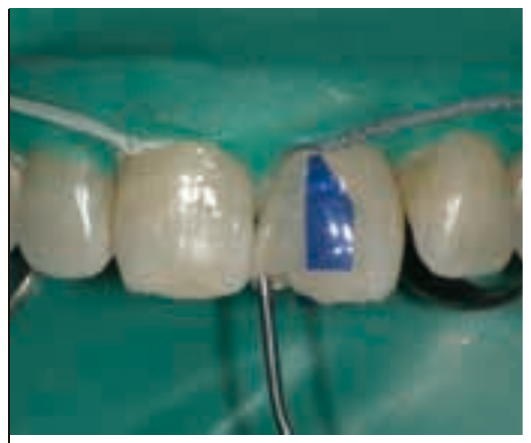
Fig. 7 Filling the narrow space near the cervical margin. ESTELITE UNIVERSAL FLOW High (OPA2) used.
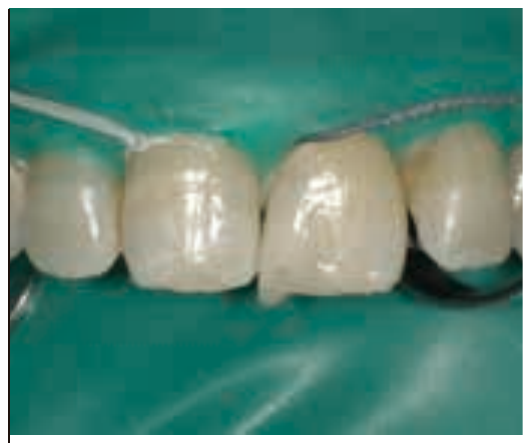
Fig. 8 Filling at the incisal edge. ESTELITE UNIVERSAL FLOW Medium (CE) used.
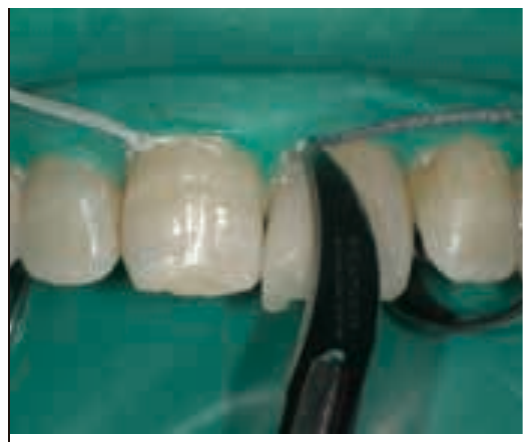
Fig. 9 Trimming excess composite resin at the cervical margin.
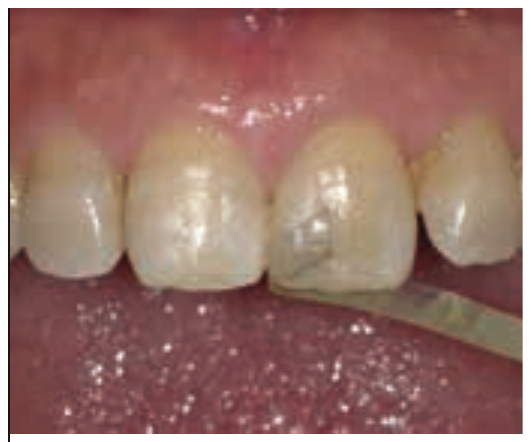
Fig. 10 Contouring the incisal corner.
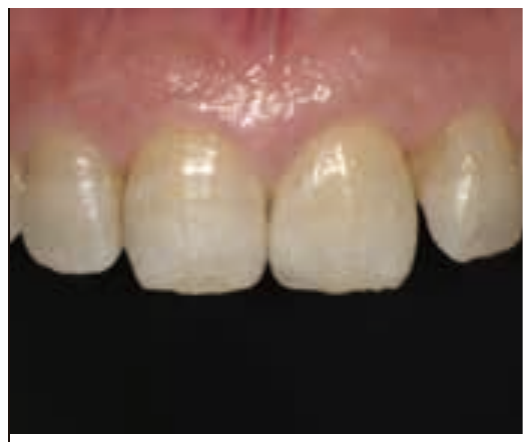
Fig. 11 Postoperative.