Composite resin restorations have become reliable due to improved adhesion and are now used in many restorative situations. Recently, utilization of magnifying glasses and microscopes have made minimal intervention treatments possible. However, when performing direct restorations, it is necessary to pay attention to the flowability of the resin, especially in small cavities and detailed areas, avoiding bubbles, ensuring a good fit and proper occlusal surface formation. For the proximal surfaces, it is also necessary to consider the morphology and color tone selection. Considering the above factors, flowable and paste-type resins have often been used together making the restorative procedure more complicated.
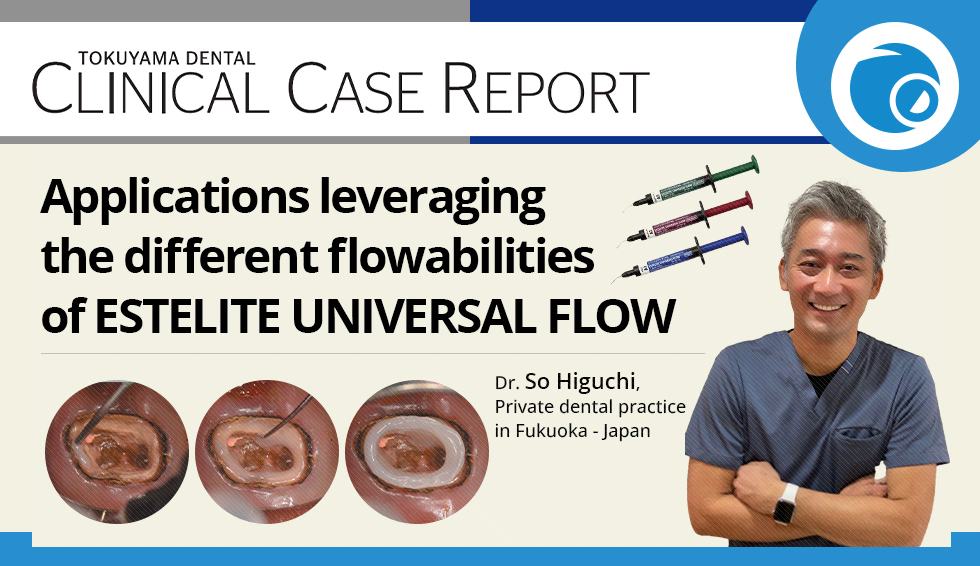
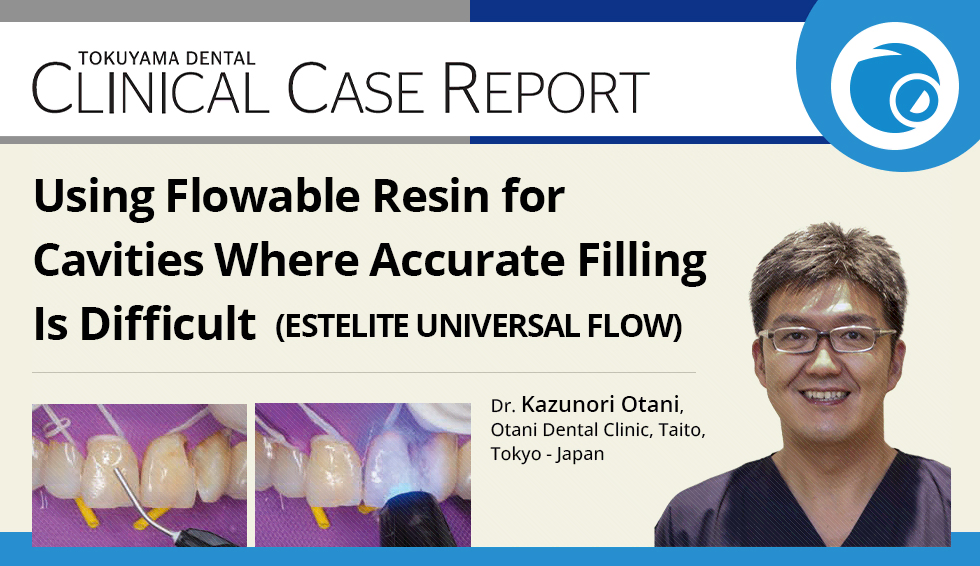
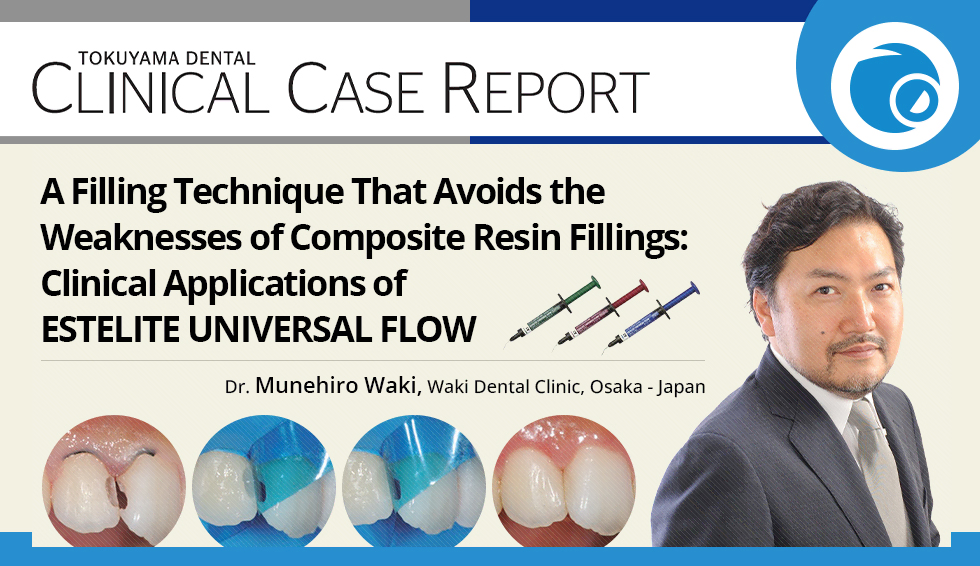
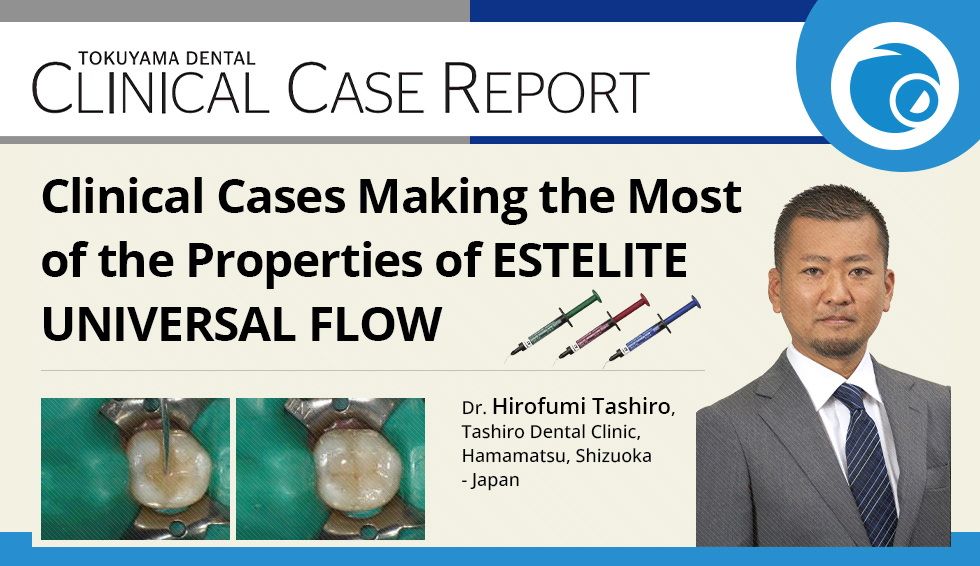
ESTELITE UNIVERSAL FLOW, released by Tokuyama Dental, has expanded its range of indications due to its three different flowability variations; High, Medium, and Super Low. In addition, it has a comprehensive shade lineup featuring high light diffusion properties making it blend easily with the color tone of the surrounding tooth structure.
In this article we will discuss two cases in which ESTELITE UNIVERSAL FLOW was utilized.
CASE 1 Filling of the cervical area of #13 and #14 (Super Low)
The challenging part of restoring the cervical area is when the restoration extends below the gingival margin. If resin flows into the gingival sulcus, polishing becomes difficult. One of the reasons for this is that polishing below the gingival margin can easily injure the gingiva, causing bleeding, which makes it difficult to check the polishing afterward and can result in incomplete polishing. Therefore, the marginal fit between the cavity formed below the gingival margin and the resin used for the restoration is important. The next consideration, particularly for the anterior and premolar regions, is the color tone.
For restoring the cervical areas of the upper right canine and first premolar, a low-flowability. The newly released ESTELITE UNIVERSAL FLOW comes with a lineup of three different flowabilities: High, Medium, and Super Low. In this case, Super Low A3.5 was used for the restoration; it has good formability and will not flow into the gingival sulcus.
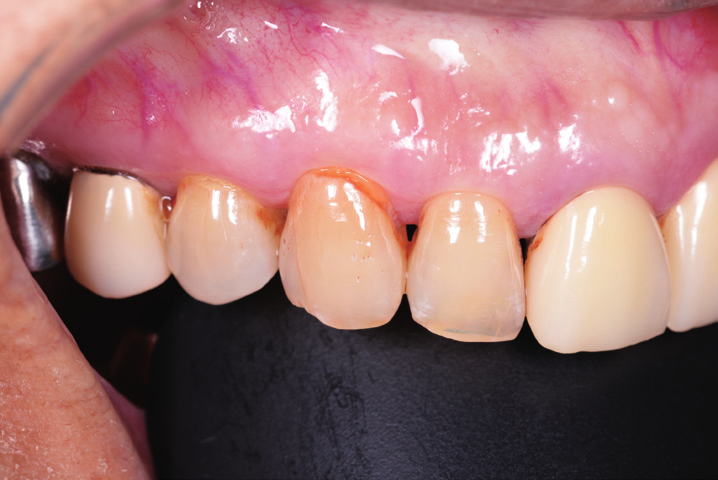
Fig.1 Caries was observed in the cervical areas of the upper right canine (#13) and first premolar (#14).
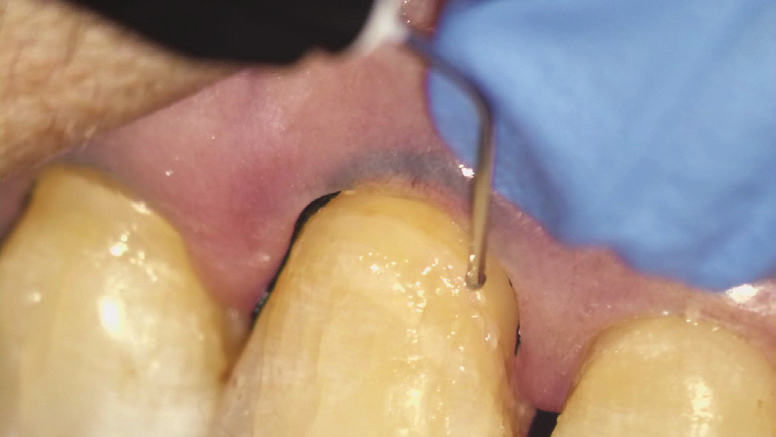
Fig.2 Due to caries extending below the gingival margin, a retraction cord was inserted into the gingival sulcus to expose the prepared surface above the gingival margin for the restoration. ESTELITE UNIVERSAL FLOW Super Low A3.5 has low flowability, making it easy to shape.
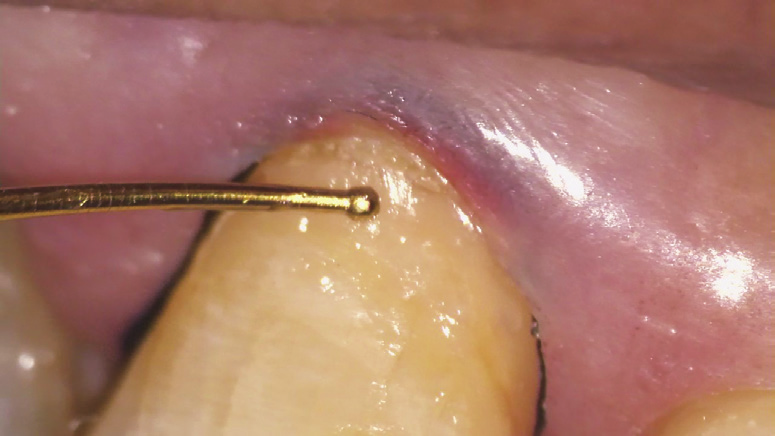
Fig.3 Confirmation of the fit after restoring the upper right canine (#13). The fit was good.
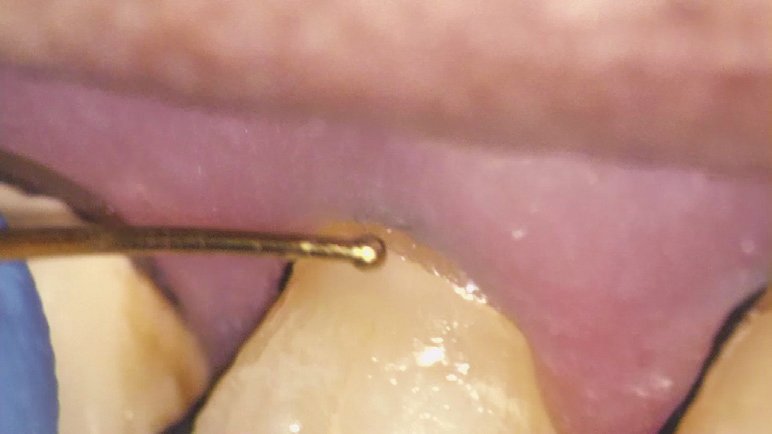
Fig.4 After restoring the upper right first premolar. The fit was good.
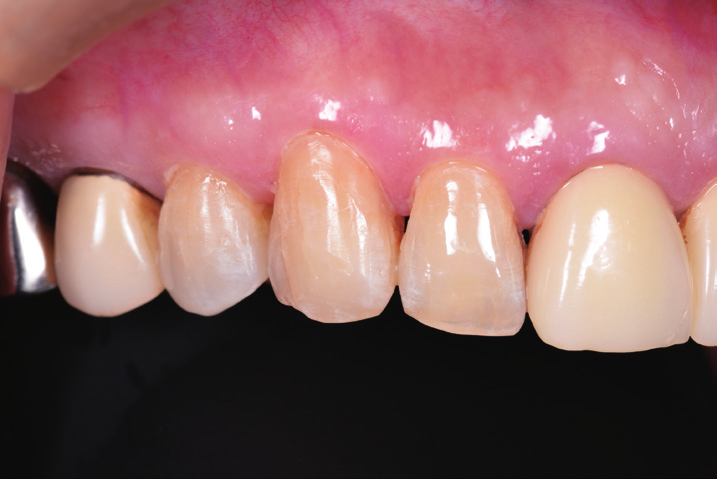
Fig.5 Condition before polishing.
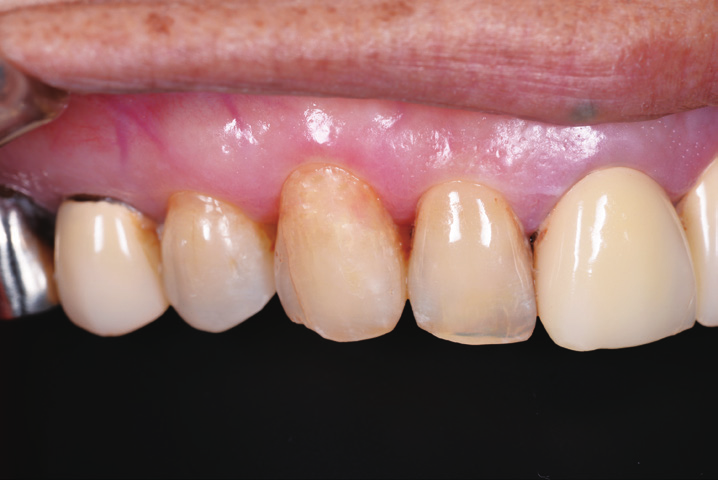
Fig.6 Post operative image.
CASE 2 Filling of the proximal cavity of #26 (Super Low)
Restoring the proximal cavity of the molar region varies in difficulty depending on the size of the cavity and whether it is mesial or distal. When there is a large amount of free enamel, techniques such as the mirror technique must be employed to confirm the restoration location, so it is advantageous to use ESTELITE UNIVERSAL FLOW High. Additionally, if a significant amount of tooth structure is removed from the occlusal surface, it is necessary to consider the occlusal surface morphology. In such cases, using both Estelite Universal Flow High and Super Low ensures optimal fit and formability.
In this case, which involves restoring the proximal cavity, careful consideration was given to whether to use two types of flowable resin or a single type for optimal fit and occlusal surface morphology. Ultimately, it was decided to use just ESTELITE UNIVERSAL FLOW Super Low A3 for the restoration, considering its adequate flowability and the desire to simplify the restorative process.
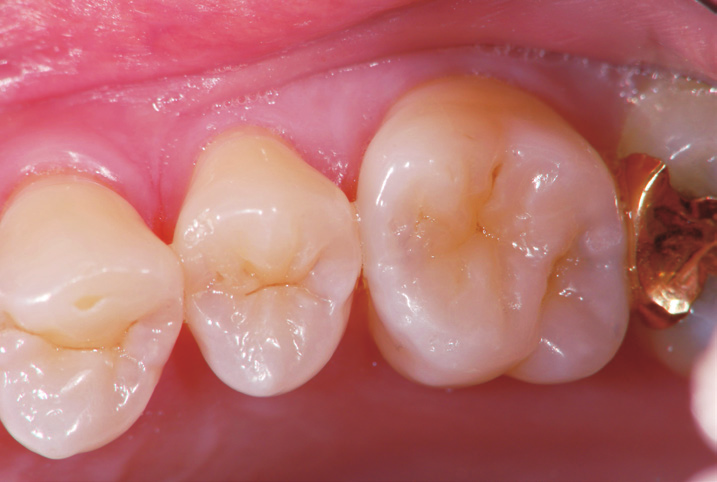
Fig.1 Caries was observed on the mesial surface of the upper left first molar.
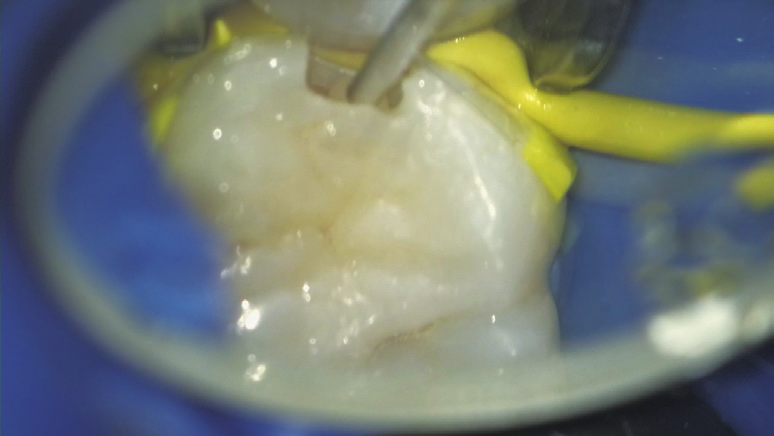
Fig.2 Caries was carefully removed under a microscope.
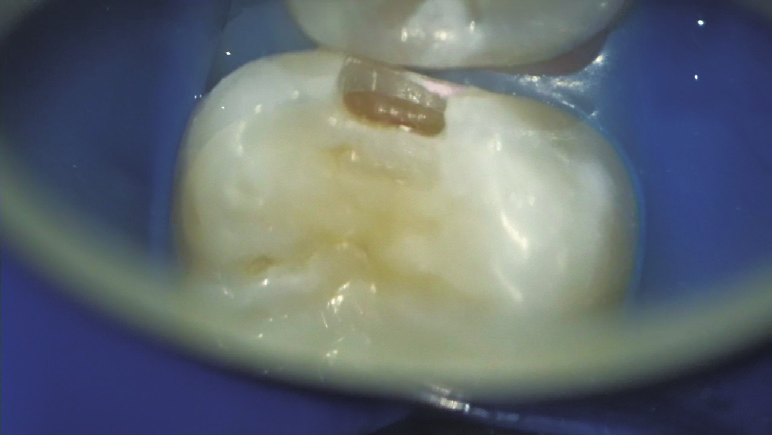
Fig.3 ESTELITE UNIVERSAL FLOW Super Low A3 was used. The syringe tip was changed to a 30G tip to ensure precise filling of the cavity.
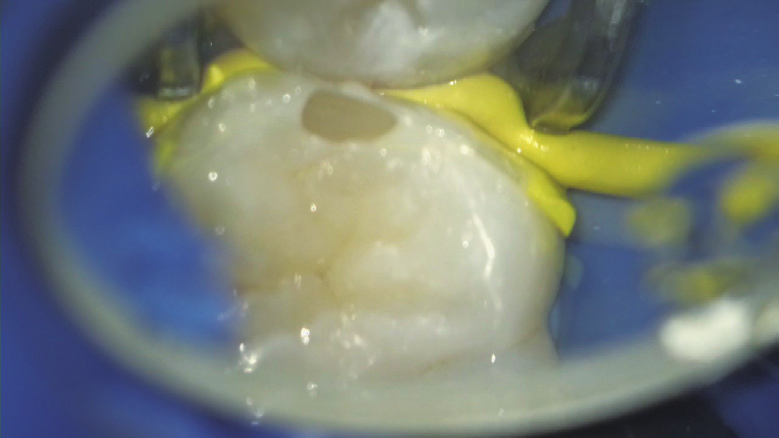
Fig.4 Matrix and wedge were used to fit the base of the cavity. Proper curing of the resin was ensured using incremental filling.
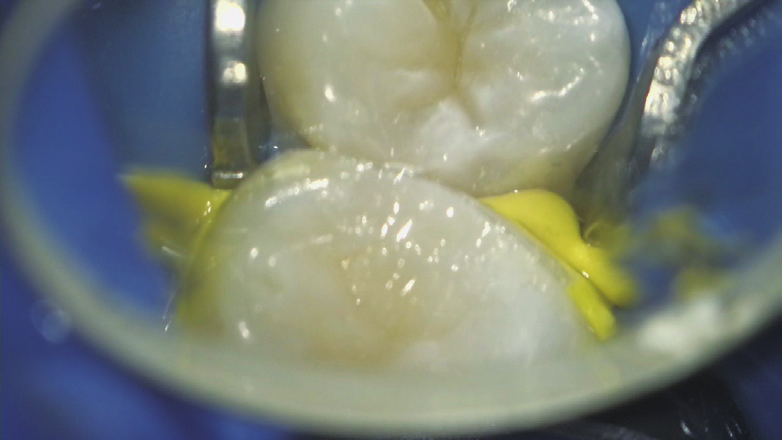
Fig.5 The occlusal surface was shaped.
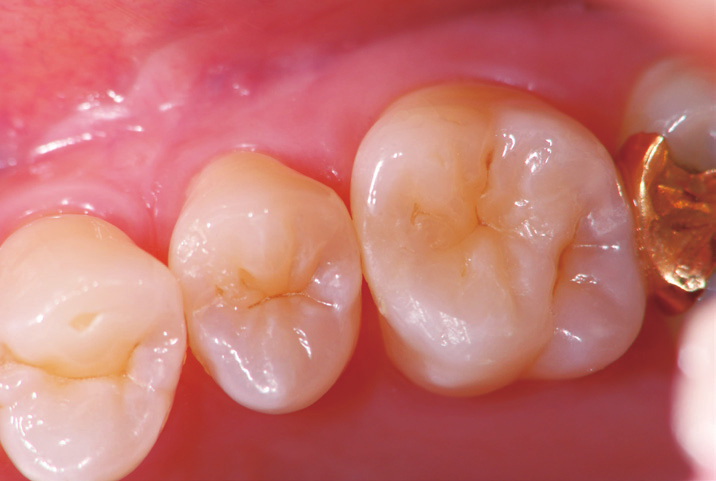
Fig.6 Post operative intraoral photograph. The color tone matched the surrounding tooth structure.