As the range of insurance coverage for CAD/CAM crowns has expanded, metal-free restorations have become increasingly common in dental treatment in Japan. Growing patient awareness of dental health and esthetics has also led more patients to request ceramic treatment, and as dental zirconia materials have matured, their lower fracture risk compared with conventional ceramic materials has made them easier for dentists to adopt in restorative treatment, which is likely a major factor as well. Cement is critical in restorative treatment using ceramics and CAD/CAM resin materials such as these.
Bonding CAD/CAM crowns, zirconia, lithium disilicate, and similar materials with a resin-based luting material after appropriate pretreatment prevents debonding and maintains material strength. In addition, unlike metals, these materials transmit light, allowing the cement to be cured through photopolymerization. However, this means the shade can be affected by the cement or the abutment tooth, and controlling this requires giving the cement itself an appropriate degree of shade and translucency. This article presents the placement procedure for a maxillary right central incisor using ESTECEM II, which offers these characteristics.
CASE 1
To prevent restoration debonding and marginal leakage, reliable bonding is required across the tooth structure, cement, and restoration. This means the cement used needs good operability and appropriate flow, and its versatility for use on not only tooth structure but also many different kinds of restorations reduces the complexity of the bonding procedure and also shortens chair time. In this case, the zirconia crown was bonded using BONDMER Lightless and the Universal shade of ESTECEM II Automix.
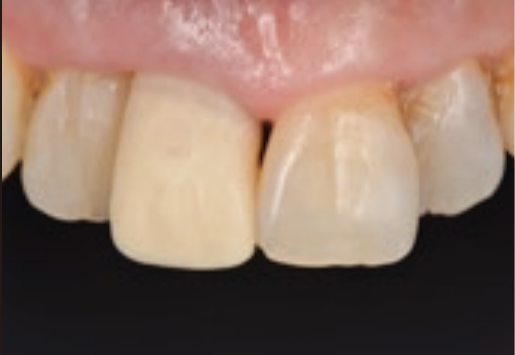
Fig. 1 Preoperative. The patient was referred by an endodontic specialist for prosthetic treatment.
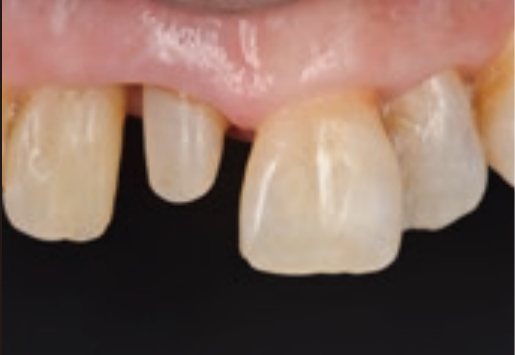
Fig. 2 An impression was taken after subgingival abutment tooth preparation.
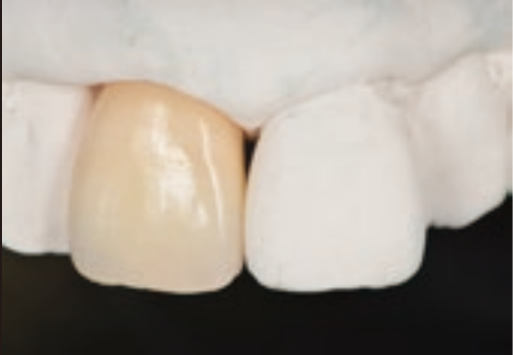
Fig. 3 The fabricated prosthesis (dental technician: Ryosuke Shimizu).
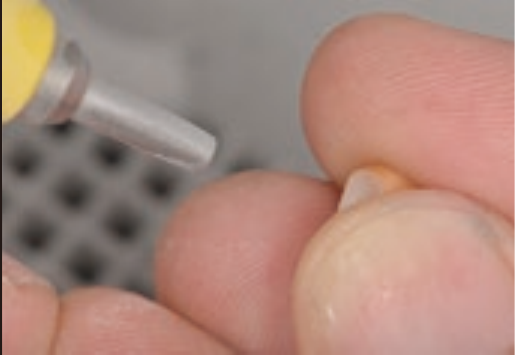
Fig. 4 After intraoral try-in and adjustment, sandblasting, rinsing, and drying were performed.
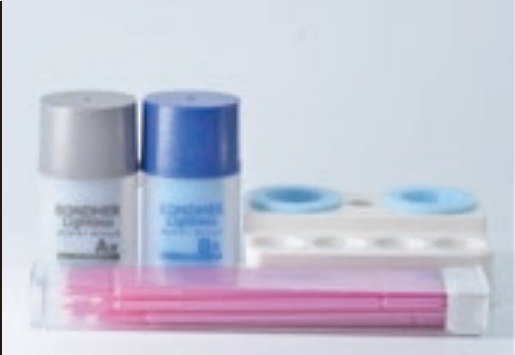
Fig. 5 BONDMER Lightless, a multi-use bonding agent, is used for pretreatment of all materials and tooth structure.
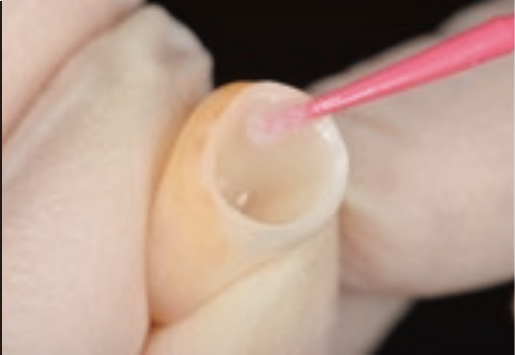
Fig. 6 BONDMER Lightless was applied to the intaglio surface of the zirconia crown.
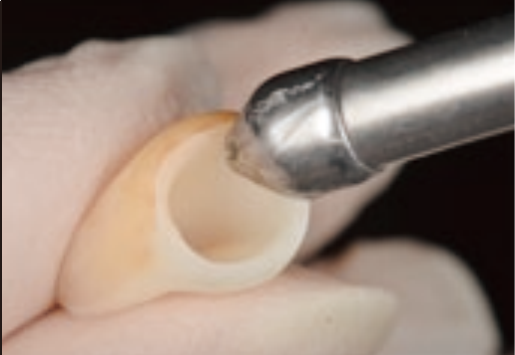
Fig. 7 Air blowing was performed to thin the film.
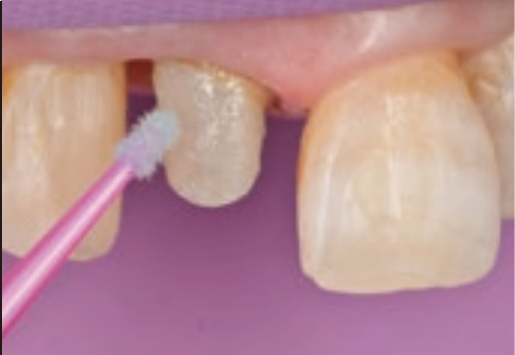
Fig. 8 BONDMER Lightless was applied to the abutment tooth, followed by air blowing.
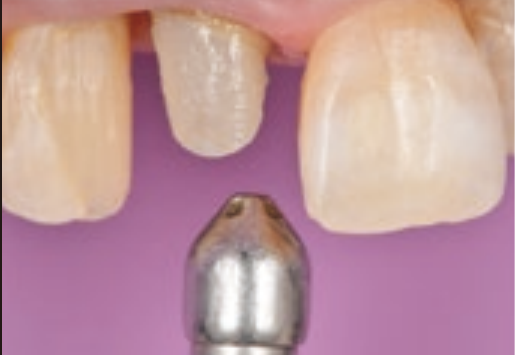
Fig. 9 Air blowing was used to spread the bonding agent into a thin layer.
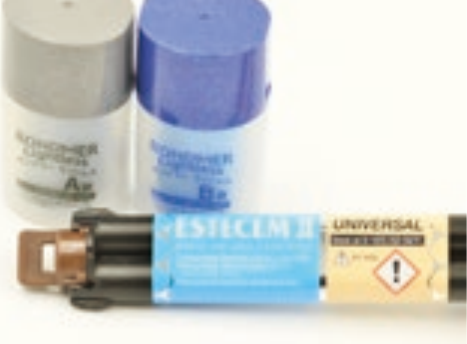
Fig. 10 ESTECEM II Universal shade is used for bonding.
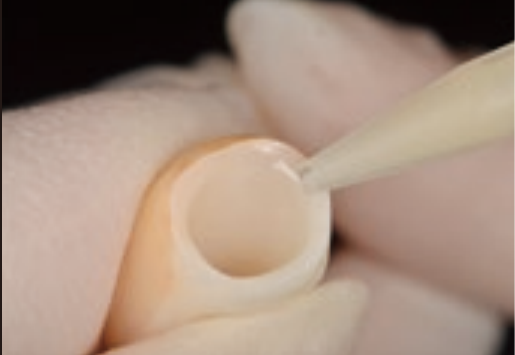
Fig. 11 ESTECEM II was loaded into the intaglio surface of the zirconia crown. Its ideal fluidity makes it easy to load.
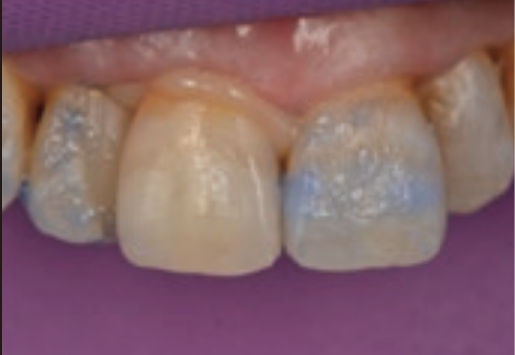
Fig. 12 The crown is accurately positioned on the abutment tooth. Its ideal fluidity keeps the excess cement that flows out neatly in place.
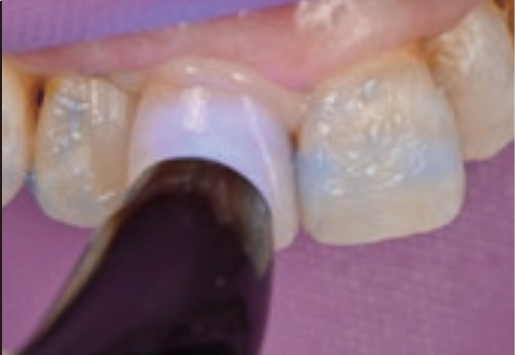
Fig. 13 Tack curing.
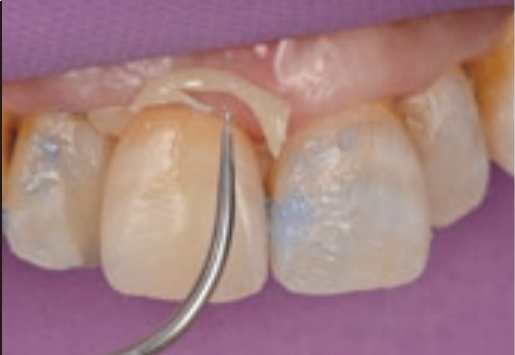
Fig. 14 Removal of excess cement after tack curing. Before full curing, the overflowing portion is removed as a single piece.
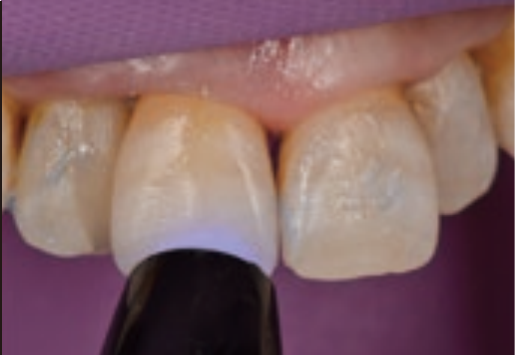
Fig. 15 Final photopolymerization.
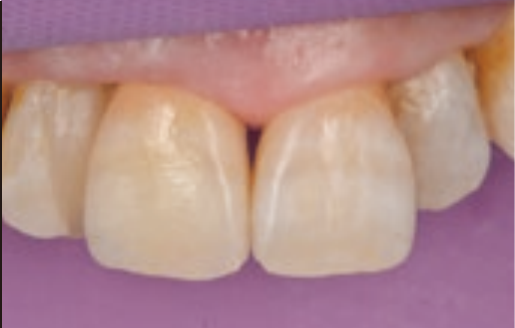
Fig. 16 Completion of zirconia crown placement.
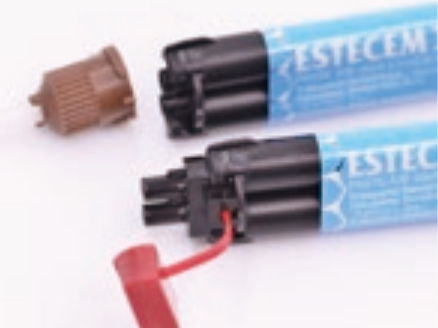
Fig. 17 ESTECEM II is also available in a hand-mixed type that does not have a mixing tip.
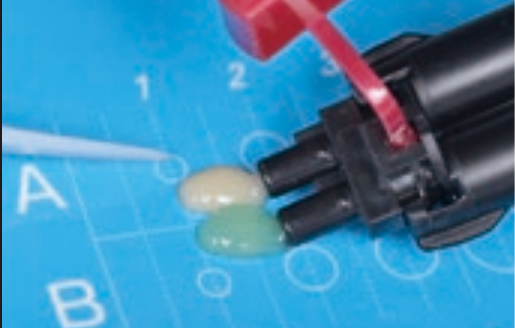
Fig. 18 Mixing the paste by hand directly cuts the cost of wasted portions that would otherwise remain unused inside the mixing tip.
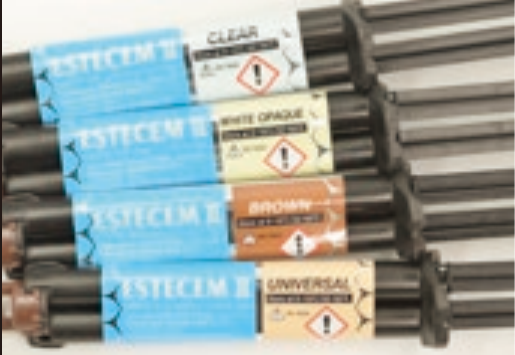
Fig. 19 ESTECEM II is available in four shades.

Fig. 20 Universal, the most basic shade, has ideal translucency and a natural tooth shade. (Cured thickness: 200 μm)

Fig. 21 A brown shade with greater masking ability than Universal and higher chroma.

Fig. 22 A white opaque shade used when the abutment tooth is severely discolored or when the effect of a metal core is pronounced.

Fig. 23 A clear shade used to let the abutment tooth’s shade show through directly, as with laminate veneers.